
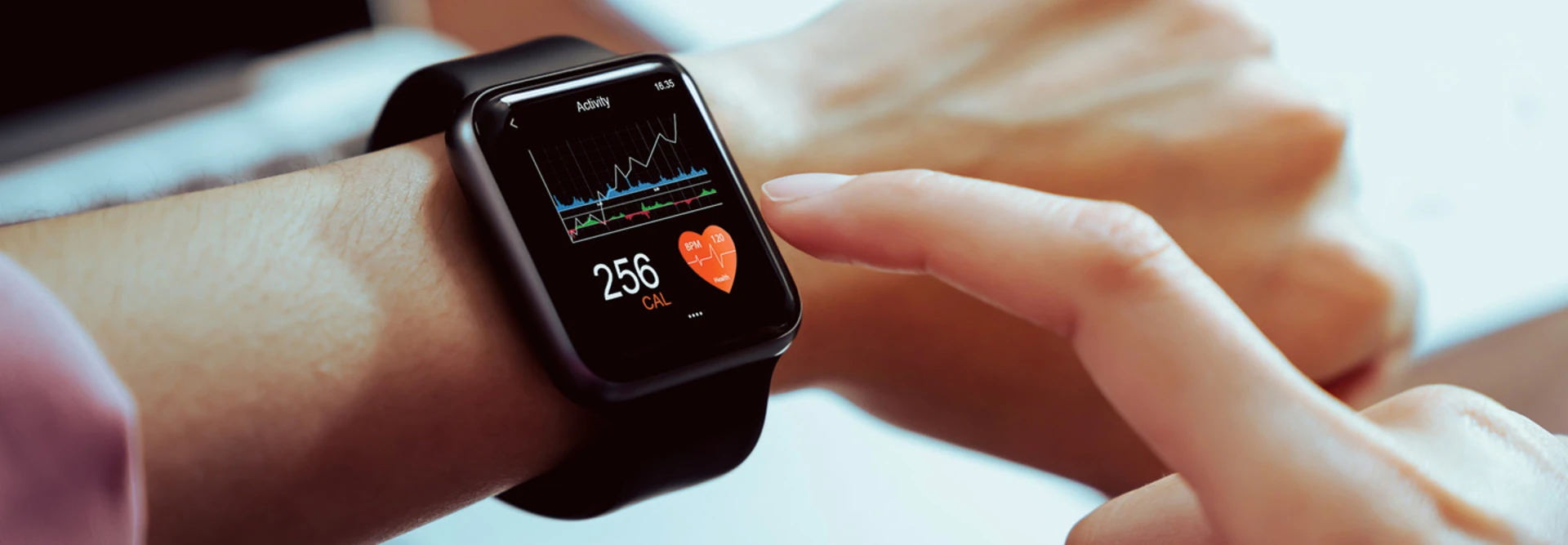
Your watch may know when you stood up, walked fast, slept poorly, or sat through a stressful meeting. That does not mean it knows what is happening inside your body with clinical certainty. Wearable health tech can help Americans notice patterns sooner, but medical professionals warn that a wrist sensor is not the same as a diagnosis. The danger is not that these devices are useless. The danger is that people sometimes treat a fuzzy signal like a lab result, then panic, ignore symptoms, or delay care. A smartwatch alert can be a useful nudge. A ring score can start a better conversation with your doctor. Still, the numbers need context: skin tone, movement, fit, temperature, sweat, illness, medication, and the device’s own algorithm can all change what you see. Readers following digital health reporting and patient technology trends have seen this problem grow as wellness gadgets move closer to medical territory. The smarter move is not blind trust or total rejection. It is learning where the numbers help, where they mislead, and when a real clinician needs to step in.
Wearable Health Tech Accuracy Starts With How the Sensor Meets the Body
Most consumer wearables do not “see” your health directly. They read signals from the outside of the body, then software turns those signals into numbers. That gap matters. A watch may shine light into the skin to estimate pulse. A ring may use temperature shifts to guess recovery. A sleep tracker may combine motion and heart patterns to label sleep stages. The result can feel precise because it appears as a clean number on a screen. But the path to that number is messy.
Why wrist readings can look more exact than they are
A clinic device usually has a narrow job. A blood pressure cuff measures pressure under a controlled method. A medical-grade ECG captures electrical activity with known lead placement. A lab test checks a sample under strict conditions. Consumer wearables work in daily life, which is far less tidy.
You may check your heart rate while carrying groceries, walking a dog, or gripping a steering wheel. The sensor still tries to read through motion, pressure, and shifting contact. That is why smartwatch health data often works better for broad trends than for single moments. A resting heart rate trend over months may be useful. One odd spike during a rushed morning may mean far less.
This is where people get fooled. A polished app interface makes the reading feel official. It can even look more serious than the nurse’s quick note in a patient portal. Yet the screen design does not make the signal cleaner. It only makes the estimate easier to believe.
The most common errors come from normal daily behavior
A loose watch, cold hands, tattooed skin, darker skin tones, heavy sweating, and high-motion workouts can all affect optical sensor readings. That does not mean the device failed. It means the body is not a flat testing surface. Medical professionals know this, but many users discover it only after a scare.
Take a runner in Phoenix training before work. The watch may perform well during a steady jog, then struggle during hill sprints when the wrist twists and sweat changes sensor contact. The app may report a strange heart rate dip right when effort feels highest. A new user might think something is wrong with their heart. A cardiology nurse would first ask about fit, movement, hydration, and symptoms.
That is the non-obvious point: better sensors do not remove the need for human judgment. They may create more moments where judgment matters. For a practical next step, readers can keep a simple note beside unusual readings: what you were doing, how you felt, whether the device fit snugly, and whether the number repeated. That small habit can make patient-friendly health tracking notes far more useful at an appointment.
Heart, Oxygen, and Blood Pressure Alerts Need Medical Context
Once a device starts talking about heart rhythm, oxygen, or blood pressure, the stakes change. A step count can be wrong and mostly annoy you. A possible AFib alert or low oxygen reading can send someone into fear. It can also push someone toward care they needed. Both things happen. The difference often comes down to context.
When heart rhythm warnings help and when they scare people
Wearables that flag irregular rhythms can be valuable because many people do not feel atrial fibrillation. A watch alert may push a person to call a clinician, describe what happened, and get proper testing. The American Heart Association tells people who receive smartwatch rhythm alerts to share that information with a health care professional, not treat it as a final answer. That is the right middle ground.
But a watch does not understand your whole medical picture. It does not know your family history unless you enter it. It does not hear your shortness of breath. It does not know whether you drank too much coffee, slept badly, or took a medication that affects heart rate.
Medical wearable devices can support care when they fit into a real clinical path. Without that path, they may create a loop: alert, worry, search online, worry more, repeat. A primary care doctor or cardiologist can decide whether you need an ECG, longer rhythm monitor, medication review, or no further workup.
Blood oxygen and blood pressure are not casual numbers
Blood oxygen sounds simple. A number appears, and people compare it with a normal range. But pulse oximetry depends on light, skin, circulation, placement, and device type. The FDA explains that pulse oximeters estimate oxygen saturation rather than directly measuring it from a blood sample. That wording matters because an estimate can be useful and still incomplete.
Blood pressure raises another issue. In 2025, the FDA warned people not to use unauthorized wearable features that claim to measure blood pressure, including smartwatch or smart ring software, because the agency had not reviewed their safety and effectiveness. That is not a small technical footnote. High blood pressure treatment decisions can change medication, testing, and follow-up.
The counterintuitive lesson is that the most exciting feature may deserve the most skepticism. A plain old cuff used the right way may beat a sleek wrist estimate when the decision matters. For Americans tracking hypertension at home, the safer routine is boring: sit still, use a validated cuff, measure at consistent times, and bring the log to your clinician.
Fitness Tracker Accuracy Is Stronger for Trends Than Diagnoses
People often ask whether wearables are accurate, as if the answer must be yes or no. A better question is: accurate enough for what? The same device can be helpful for activity habits, decent for resting heart trends, weak for calories burned, and shaky for sleep stages. That mixed performance confuses people because apps present every metric with the same confidence.
Sleep scores and calorie counts can guide habits, not label your health
Sleep tracking feels personal. Wake up tired, check the score, and the app gives you a story. Maybe you had poor recovery. Maybe your REM sleep looked low. Maybe your “readiness” dropped. Some of that can match your experience. Some of it may come from the device guessing sleep stages based on movement and heart patterns.
Research reviews have found that consumer wearables often estimate some outcomes better than others, with heart rate tending to perform better than energy expenditure, while sleep-stage claims remain harder to trust across devices and settings. That should change how you read the app. Use the trend, not the label.
For example, a nurse in Ohio working rotating shifts may see poor sleep scores every week. The exact REM number may not deserve much trust. The larger pattern does. If the tracker shows short sleep after night shifts, long weekend catch-up sleep, and higher resting pulse after poor rest, that can help her adjust light exposure, caffeine timing, and bedtime routine.
Exercise data becomes weaker when the workout gets messy
Fitness tracker accuracy often drops when exercise gets less predictable. A steady walk is easier to measure than boxing, rowing, kettlebell work, or a stop-and-go soccer game. Wrist movement can confuse heart readings. Calorie burn estimates can swing because the device must guess effort from limited signals.
That does not make the tracker worthless. It makes it a coach for patterns, not a referee for truth. You can use it to compare similar workouts over time, watch resting heart rate, notice recovery changes, and stay honest about movement. Trouble starts when people treat calorie burn as a permission slip to eat back a precise number.
The non-obvious insight here is that “wrong” data can still improve behavior if you use it the right way. A step count that misses some steps may still show whether you moved more this month than last month. A calorie estimate that misses the mark may still show that a hard hike took more from you than a desk day. For better health habits, direction often matters more than decimal points.
The Biggest Risk Is Not Bad Data, but Bad Decisions From Data
The real warning from medical professionals is not “throw away your wearable.” It is “do not outsource judgment to it.” A device can collect more information than you could ever write down by hand. That creates opportunity. It also creates noise. The question is whether the data leads you toward better care or away from it.
False reassurance can be more dangerous than false alarms
Most people worry about false alarms because they feel dramatic. A heart alert pops up, and the user gets scared. That can lead to urgent calls, extra appointments, and anxiety. Those problems matter. Still, false reassurance may be worse.
A person with chest pressure might glance at a normal watch reading and decide to wait. Someone with shortness of breath may trust a normal oxygen estimate even as symptoms worsen. A diabetic user may see a non-authorized glucose claim online and think a ring can replace proper glucose monitoring. The FDA has warned consumers not to use smartwatches or smart rings that claim to measure blood glucose because it has not authorized them for that purpose.
That is why symptom-first thinking matters. If you feel chest pain, faintness, trouble breathing, stroke symptoms, or severe weakness, the device is not the decision-maker. Your body is already giving the stronger signal.
Better rules make wearables safer at home
A wearable should sit below your clinician, not above your common sense. One useful rule is simple: act on symptoms, track patterns, and confirm surprises. Symptoms need care. Patterns deserve discussion. Surprise readings need repeat checks under better conditions.
For home use, keep a short list:
- Repeat unusual readings after sitting still.
- Check device fit and battery level.
- Compare with a validated device when possible.
- Save screenshots for your doctor.
- Do not change medication based on an app alone.
This approach protects the upside. You still benefit from early clues, long-term trends, and better conversations with your clinician. But you avoid the trap of making medical choices from one wrist reading. Americans who want a deeper home plan can connect this with safe at-home health monitoring habits before relying on any new device feature.
Conclusion
Wearables have earned a place in daily health routines, but they have not earned the right to overrule medical care. The best use is practical, not dramatic: watch trends, notice changes, and bring better notes to your doctor. Wearable health tech becomes safer when you treat it as a signal collector instead of a diagnosis machine. That mindset also lowers anxiety because every odd number no longer feels like a medical event. Doctors do not warn about these devices because they hate technology. They warn because context saves people from bad choices. A watch can miss a problem, exaggerate a problem, or point toward a problem worth checking. Your job is to know which lane you are in. Use the data to ask sharper questions, not to make solo medical decisions. When a reading and your body disagree, trust symptoms first and get care.
Frequently Asked Questions
How accurate are wearable health devices for heart rate?
Heart rate tracking is often more dependable during rest or steady movement than during fast, wrist-heavy exercise. Use it to follow patterns over time. A strange single reading should be repeated under calm conditions and discussed with a clinician if symptoms appear.
Can a smartwatch diagnose atrial fibrillation?
No consumer watch should replace a clinical diagnosis. It may detect an irregular rhythm and prompt you to seek care. A health care professional may still need an ECG, longer monitoring, and a review of your symptoms before confirming atrial fibrillation.
Are smartwatch blood oxygen readings safe to trust?
They can offer a rough signal, but they should not override symptoms. Cold hands, skin tone, movement, and loose fit can affect readings. Trouble breathing, blue lips, chest pain, or confusion needs medical attention even if the number looks normal.
Why do doctors warn about fitness tracker accuracy?
They warn because people may treat estimates as medical facts. Calories, sleep stages, recovery scores, and some sensor readings can shift because of movement, fit, software, or body differences. The data can help, but it needs context.
Can wearable devices measure blood pressure correctly?
Some wearables claim blood pressure features, but medical decisions should rely on validated devices. A properly used upper-arm cuff remains the safer home choice for most people. Bring your readings to your clinician before changing any treatment plan.
Should I worry if my watch gives one abnormal reading?
One abnormal reading is not always a crisis. Sit still, check the fit, repeat the reading, and note how you feel. Symptoms such as chest pain, fainting, severe shortness of breath, or weakness need urgent care regardless of the device.
Are sleep scores from rings and watches reliable?
Sleep scores can help you notice bedtime patterns, but sleep stages are still estimates. Use the trend to improve habits like caffeine timing, light exposure, and schedule consistency. Do not assume a low score proves a sleep disorder.
What is the safest way to use smartwatch health data?
Use it as a record of patterns, not as a doctor. Save unusual readings, write down symptoms, compare with validated tools when possible, and ask your clinician what numbers matter for your health history. Symptoms should always carry more weight than an app.

Related Posts

AI Video Generation Technology Progress From Sora to Current Competitors
Foldable Laptop Designs Emerging From Lenovo Asus and Other Manufacturers