
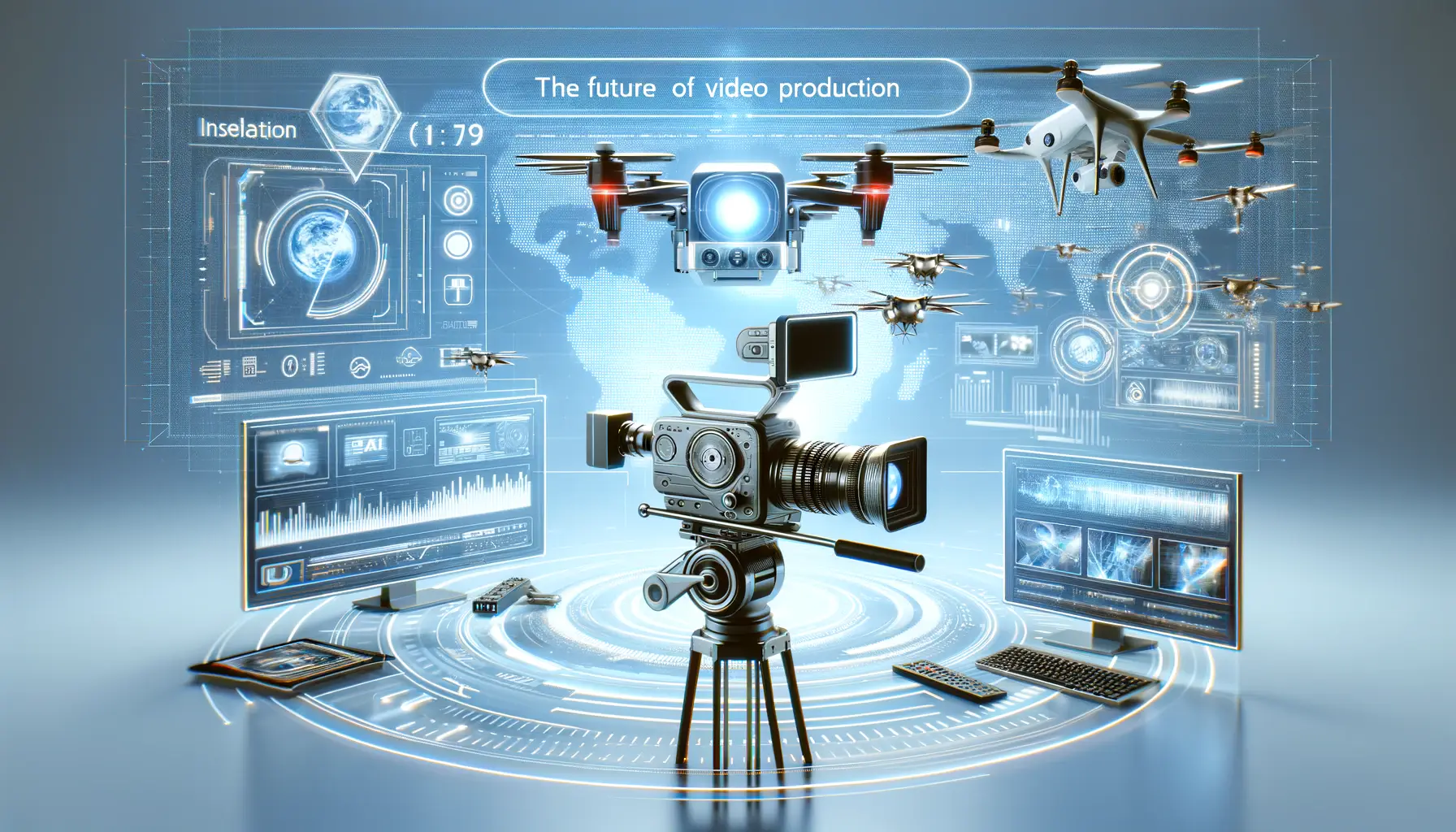
The old test was simple: type a prompt, wait, and see whether the clip looked less strange than last month’s demos. AI Video Generation has moved past that narrow trick. For American creators, marketers, founders, teachers, and small studios, the real question is now practical: which tool can make a clip you can plan, revise, explain to a client, and publish without regret? Sora once set the tone because it made synthetic motion feel closer to a filmed scene, yet OpenAI now says Sora’s web and app experience ended on April 26, 2026, with the API set to end on September 24, 2026. That leaves Sora competitors fighting over the part that matters most: workflow. Today’s text-to-video tools are not winning because they can make one pretty wolf run through snow. They win when generative video models keep a person’s face steady, hold a camera path, add believable sound, respect rights, and give you enough control to fix the second draft.
Why AI Video Generation Moved From Demo Clips to Production Tests
Sora changed expectations because it made motion the headline. Before that, many synthetic clips felt like animated concept art. They could shimmer. They could impress for three seconds. Then a hand melted into a sleeve, a hallway forgot where the door was, or the camera drifted like it had no operator. The better question was never “Can this make video?” It was “Can this hold a world together long enough for a viewer to care?” That shift matters because American users judge video by habits learned from YouTube, sports broadcasts, phone cameras, TikTok, Netflix, and local TV ads. The bar is not perfection. The bar is whether the clip breaks trust before the message lands.
Sora made physics feel like the product, not the trick
The first Sora wave mattered because it treated movement as a story problem. A dog jumping through a window, a woman walking down a Tokyo street, or a close-up with fabric and reflections forced the model to track more than pixels. OpenAI framed Sora as a model for generating realistic video from text and for simulating the physical world in motion, which tells you why the launch landed so hard in the creative market. It gave nontechnical viewers a plain test: does the world behave as if gravity, friction, distance, and light still exist?
That was a sharp break from earlier novelty clips. The American audience did not need another surreal loop. A realtor in Phoenix needed a clean neighborhood fly-through. A Shopify seller in Ohio needed product motion that did not deform the item. A high school media teacher needed students to understand why prompt-made footage can look convincing and still be false. In each case, the problem is not beauty. It is whether the clip can survive ordinary attention.
The counterintuitive part is that Sora’s impact grew even as its product path became less stable. Its public image became a measuring stick. Once people saw stronger motion, every other tool had to answer a harder question: can you repeat that quality after the first clip? A one-off sample can hide weak planning. A campaign, class lesson, or client pitch cannot.
Sora competitors learned that control beats spectacle
The market did not wait for one winner. Runway pushed scene and character continuity. Google leaned into video with audio. Adobe folded video creation into a broader editing space. Luma moved toward frame direction and shot planning. Pika kept chasing fast social clips and effects. Kling put pressure on the field with a broad creative studio and its Kling 3.0 series.
This is why Sora competitors now feel less like clones and more like different camera departments. One tool may be better for a 9:16 TikTok-style gag. Another may fit a brand-safe product test. Another may help a studio block a mood board before a shoot. The category split because users stopped asking for magic and started asking for repeatable work. That split is healthy because the buyer is not always a filmmaker. Sometimes the buyer is a dental office, a DTC brand, a college admissions team, or a local campaign manager with no time for vague outputs.
A small business owner in Dallas does not care which model won a leaderboard if the logo warps in every shot. A nonprofit in Chicago does not want a dramatic clip if the generated crowd looks suspicious. Spectacle gets attention. Control gets approval. That approval is where budgets move, especially when a clip has to pass through a founder, a legal reviewer, and a client who has never written a prompt.
The New Race Is About Direction, Audio, and Repeatable Scenes
Once motion quality rose, the next pain became obvious. Creators did not need a machine that could surprise them forever. They needed one that could take direction. That sounds less glamorous than realism, but it is the gap between a demo and a deliverable. In real production, the second and third prompt matter more than the first. A strong first draft can still fail if the tool cannot adjust the camera, keep the same product, or remove an odd detail without rebuilding the whole scene from scratch.
Text-to-video tools now live or die by shot control
Runway Gen-4 is a good sign of where the market turned. Runway says Gen-4 can keep characters, locations, and objects consistent across scenes from a chosen look and feel, which targets one of the oldest weak points in generated clips. That is not a tiny upgrade. It changes the job from “make me a clip” to “help me keep the same world across shots.” The shift is similar to moving from a random photo generator to an assistant that understands a brand board.
Think about a U.S. furniture brand testing ads for a modular couch. The first shot shows the couch in a bright apartment. The second shows it in a family room. The third shows the same fabric under evening light. If the tool keeps changing the couch shape, the campaign dies. The viewer may not know why the ad feels wrong, but the buyer will feel it. A creative director will see the mismatch faster, because every frame is also a promise about the product.
Luma’s Ray3.2 also points toward directorial control. Luma describes the model around frame direction, continuity, and cinematic direction, which makes sense because many creators want to steer key frames instead of begging a prompt to behave. The odd insight here is that the best prompt video work may become less prompt-driven. It may look more like rough editing, where you pin the start, guide the end, and let the system build motion between decisions. That feels less magical, but it is far more useful.
Native sound changed what creators expect
Silent video demos gave the field an easy hiding place. A clip could look intense because your brain supplied the sound. Once native audio entered the frame, the illusion became harder and more useful. Google DeepMind describes Veo 3.1 as bringing video together with audio, while also pointing to Veo 3’s expanded creative controls, native audio, and longer outputs. The model is no longer judged on movement alone. It gets judged on whether the scene breathes.
That matters for more than film students. A fitness coach in Miami can test a short motivational clip with footsteps, room tone, and a voice cue. A museum in Boston can prototype a historical exhibit teaser with crowd sound and narration pacing. A local restaurant can try a food-prep clip where sizzling does part of the selling. Sound turns a visual sketch into something closer to a publishable unit, even when the clip still needs editing.
Sound also raises the standard for failure. Bad motion can be funny. Bad synced audio feels untrustworthy. When lips, footsteps, or impact sounds miss their marks, the clip turns from persuasive to uncanny in a second. The next race, then, is not only prettier frames. It is timing. The best tools will understand silence too, because a calm pause can sell a scene better than a noisy track.
Why Brands Care More About Rights Than Raw Realism
The closer these tools get to usable footage, the less teams can treat them as toys. A clip that stays in a private mood board has one risk level. A clip used in a paid campaign, political explainer, product launch, or investor deck has another. That is where the market becomes less about wonder and more about proof. U.S. brands do not need fear-based rules, but they do need adults in the room. The danger is not only a lawsuit. It is a loss of trust after a viewer feels tricked.
Commercial use is becoming a product feature
Adobe has taken a clear position here. Firefly is presented as a creative space for images, video, audio, and vectors, and Adobe says its Firefly Video Model is trained on licensed content and public domain material where copyright has expired. It also warns that partner models can have different usage terms. That difference matters because many teams now mix models inside one project. A safe-looking interface does not make every output carry the same rights.
That may sound like legal housekeeping, but it is a selling point. A marketing manager in Atlanta may choose the safer-looking tool over the flashier one because the risk sits on her desk. If a generated background, face, or style creates a rights problem, the team cannot defend the campaign by saying the prompt was clever. They need a vendor story, a review log, and a reason for choosing one model over another.
This is where technology publishing strategy also matters for brands writing about these tools. Coverage should not treat every sample clip as equal. The serious question is whether the output can be explained, traced, licensed, edited, and defended. Pretty footage is cheap if it creates expensive doubt. The stronger article, deck, or buying guide will separate entertainment tests from business use.
Marketing teams need audit trails, not mystery clips
A practical brand workflow now needs a paper trail. Who made the prompt? Which model was used? Was the clip edited? Were any real people referenced? Did the platform add provenance data? The Coalition for Content Provenance and Authenticity offers an open standard meant to record the origin and edit history of media, including content made with generative systems. C2PA’s content provenance standard is one of the better-known attempts to make media history easier to verify.
The uncomfortable truth is that labels will not solve trust by themselves. A school board video, a campaign ad, or a fake customer testimonial can travel faster than its warning tag. U.S. teams need policy, review, and plain-language disclosure, not a tiny badge buried under a share button. This is why the best internal process starts before creation, not after a questionable clip is already in the calendar.
Good internal rules do not have to slow every project. They can sort the work. A harmless background loop for a trade-show booth needs less review than a clip showing a real executive, a medical claim, or a breaking-news style scene. That kind of triage is not glamorous. It keeps brands out of trouble, and it belongs beside resources like AI marketing workflow guide and small business video strategy when a team turns tool tests into publishing habits.
What Comes After Sora Is a Messier, Healthier Market
The category is no longer shaped by one famous name. That is good. One model can set expectations, but a working market needs rivals with different strengths. The current field looks messy because users are asking for different jobs at once: social effects, storyboard tests, brand-safe b-roll, audio-rich scenes, product shots, avatar clips, and API access for apps. A messy market also gives buyers room to be honest. They can choose the tool that fits the task instead of pretending one platform should handle every clip from meme to national campaign.
Different Sora competitors now win different jobs
A social creator may favor Pika because its site is built around quick effects, short clips, and image-to-video play. Pika’s pricing page also points to Pika 2.5 access and credit-based use, which fits creators who need many small tests rather than one grand scene. That kind of tool is closer to a sketchpad than a film studio. It rewards speed, surprise, and shareable moments.
A studio or agency may test Runway or Luma because continuity and direction sit closer to their pain. A product team may look at Google because Veo has been tied into Google’s creative stack and video-with-audio work. A brand team may start with Adobe because Firefly sits near familiar design and editing tools while also offering partner models such as Google, OpenAI, Luma, Runway, and others inside one space. The point is not that one path is smarter. The point is that each path carries a different kind of risk and speed.
The non-obvious lesson is that “best” has become a weak word. The better question is, best for what? A five-second product loop, a vertical meme, a storyboard for a pitch, and a near-finished commercial do not need the same machine. They need different levels of speed, rights comfort, revision control, and scene memory. Buyers who define the job first will waste less money.
The next bottleneck is trust, not prompt skill
Prompt skill still matters, but it is not the ceiling. Generative video models will keep gaining cleaner motion and better scene memory. The harder problem is whether audiences, clients, teachers, editors, and regulators know what they are looking at. A perfect clip that nobody trusts has limited value. Trust also changes by context. A playful sneaker concept can tolerate more fantasy than a public-health clip or a retirement-planning ad.
This is where OpenAI’s Sora retreat is instructive. A model can win mindshare and still leave room for rivals to own the daily workflow. The companies that matter next will not be the ones with the loudest demo. They will be the ones that help users make, revise, label, store, and explain clips in a way that fits real publishing. In other words, the market may reward boring product decisions that viewers never see.
That future may look less cinematic than the first Sora shock. It may look like a boring approval screen, a rights note, a reusable character file, a timeline edit, and a disclosure label. For working creators, that is progress. Boring is where tools become useful. The flashiest clip may still win the feed for a day, but the safest repeatable workflow wins the budget.
Conclusion
Sora gave the market a shared image of what prompt-made video could feel like when motion, lighting, and scene logic lined up. The next phase is less about awe and more about trust, cost, control, and fit. AI Video Generation is now a practical choice inside American marketing teams, classrooms, agencies, startups, and creator studios, not a single-product story. Some users will want fast social effects. Others will want brand-safe b-roll, editable scenes, native sound, or a record of how the clip was made. That split is healthy because real video work has never been one job. The smartest move is to test tools against your actual publishing need, not against a viral demo. Pick a small use case, write down your risk rules, compare two or three platforms, and keep the human editor in charge from first prompt to final export.
Frequently Asked Questions
How did Sora change text-to-video tools?
It raised expectations for motion, realism, and scene logic. Earlier tools could make eye-catching clips, but Sora made creators expect more believable physical movement. That forced rival platforms to compete on continuity, camera control, audio, and workflow rather than one-shot novelty.
Which Sora competitors are strongest for marketers?
Adobe Firefly, Runway, Google Veo, Luma, Pika, and Kling all serve different marketing needs. Adobe is attractive for brand and rights concerns. Runway and Luma fit directed scenes. Pika fits fast social clips. Google’s Veo work stands out when audio matters.
Are generative video models ready for paid ads?
They can be ready for concept testing, b-roll, social variations, and some controlled campaign assets. Paid ads need review for rights, likeness, claims, and disclosure. A human editor should still check every frame before a clip represents a real brand.
What should small businesses test first?
Start with low-risk content: product mood shots, background loops, event teasers, or simple social clips. Avoid fake testimonials, medical claims, political scenes, or realistic depictions of real people until your policy and review process are strong enough.
Do text-to-video tools replace filming?
They replace some early drafts, stock-style filler, and concept mockups. They do not replace every shoot. Real footage still wins when you need real customers, verified locations, product truth, emotional interviews, or legal confidence around what happened on camera.
Why does audio matter in synthetic clips?
Audio makes a clip feel finished, but it also exposes mistakes. Footsteps, voices, impacts, and background sound must match the scene. When sound drifts away from the motion, viewers notice fast, even if they cannot explain the problem.
How should creators compare generative video models?
Use the same prompt, aspect ratio, reference image, and goal across each platform. Judge output by revision control, consistency, rights terms, export quality, cost, and how much cleanup it needs. The winner is the tool that survives your second draft.
Is Sora still the main tool to watch?
It remains an important reference point, but the market has moved beyond one name. OpenAI’s stated product sunset makes the wider field more important. Creators should watch where daily workflows are heading, especially control, audio, provenance, and safe commercial use.

Related Posts
Wearable Health Tech Accuracy Issues That Medical Professionals Warn About
Foldable Laptop Designs Emerging From Lenovo Asus and Other Manufacturers