
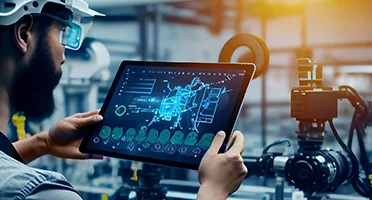
In the modern digital economy, end to end technology integration is no longer a technical upgrade it has become a foundational strategy for business survival and growth. Enterprises across industries are rapidly shifting toward fully connected ecosystems where data, applications, and infrastructure work together in real time. Instrata delivers advanced end to end technology integration frameworks that help organizations unify fragmented systems into cohesive digital environments designed for scale, efficiency, and innovation.
As organizations adopt cloud platforms, AI tools, IoT systems, and hybrid infrastructures, complexity increases significantly. Without integration, these systems operate in silos, limiting visibility and slowing down decision-making. A structured integration approach ensures that every component of the technology stack communicates seamlessly, creating a single, intelligent operational layer.
The Growing Importance of End to End Technology Integration in 2026
The digital landscape in 2026 is defined by speed, automation, and data-driven decision-making. Businesses that fail to implement end to end technology integration often struggle with inefficiencies, disconnected workflows, and inconsistent customer experiences.
Modern enterprises typically rely on multiple platforms such as CRM systems, ERP solutions, analytics tools, and cloud applications. When these systems are not integrated, organizations face:
- Delayed reporting and decision-making
- Data duplication and inconsistencies
- Higher operational costs
- Limited scalability
- Reduced customer satisfaction
End to end integration eliminates these challenges by ensuring that data flows continuously and securely across all systems. Instrata focuses on building integration ecosystems that transform disconnected tools into a unified digital backbone.
Core Architecture of End to End Technology Integration
A successful integration strategy is built on layered architecture that ensures flexibility, scalability, and resilience.
1. Data Layer Integration
At the foundation of end to end technology integration is data connectivity. This layer ensures that structured and unstructured data from multiple sources is collected, cleaned, and synchronized in real time. It enables a single source of truth across the enterprise.
Key functions include:
- Data warehousing and lakes
- Real-time data streaming
- Master data management
- Data normalization and validation
2. Application Connectivity Layer
This layer connects enterprise applications such as ERP, CRM, HR systems, and financial platforms. Through APIs and middleware, applications communicate seamlessly, eliminating manual data transfers and reducing errors.
3. Process Integration Layer
Process integration ensures that workflows across departments are automated and synchronized. For example, when a sales order is created, it can automatically trigger inventory updates, invoicing, and logistics processes without manual intervention.
4. Experience Layer
The experience layer focuses on how users interact with integrated systems. Dashboards, mobile apps, and portals provide unified access to insights and operational tools, enhancing usability and productivity.
Strategic Benefits of End to End Technology Integration
Implementing end to end technology integration provides both operational and strategic advantages that directly impact business performance.
1. Real-Time Decision Intelligence
Integrated systems allow leadership teams to access real-time dashboards and analytics. This supports faster and more accurate decision-making across all levels of the organization.
2. Operational Efficiency
Automation of workflows and elimination of redundant processes significantly improves efficiency. Employees spend less time on manual tasks and more time on strategic initiatives.
3. Enhanced Customer Experience
Customers expect personalized, fast, and consistent interactions. Integration ensures that customer data is accessible across all touchpoints, improving response time and engagement quality.
4. Scalability and Flexibility
A well-integrated architecture allows businesses to scale operations without overhauling existing systems. New technologies can be added with minimal disruption.
5. Improved Security and Compliance
Centralized data governance strengthens cybersecurity measures and ensures compliance with regulatory standards such as GDPR and industry-specific requirements.
Challenges in Achieving Seamless Integration
While the benefits are significant, implementing end to end technology integration requires overcoming several challenges.
Legacy System Constraints
Older systems often lack compatibility with modern APIs and cloud platforms, making integration complex.
Data Silos
Disconnected data sources prevent organizations from achieving a unified view of operations and customers.
Integration Complexity
Managing multiple platforms, vendors, and technologies increases architectural complexity.
Change Management
Employees may resist new systems and workflows, slowing down adoption.
Instrata addresses these challenges through phased integration strategies, ensuring minimal disruption while maximizing long-term value.
Role of APIs and Middleware in Integration
APIs (Application Programming Interfaces) and middleware form the backbone of modern end to end technology integration.
APIs enable direct communication between applications, while middleware acts as a bridge that manages data flow, transformation, and security.
Key advantages include:
- Faster integration between systems
- Reduced development time
- Improved system interoperability
- Enhanced scalability for future technologies
This API-driven approach ensures that enterprises can continuously evolve their digital ecosystems without rebuilding core systems.
Industry Use Cases of End to End Technology Integration
Different industries benefit from integration in unique ways.
Financial Services
Banks and financial institutions use integration to connect fraud detection systems, customer portals, and transaction platforms, enabling real-time monitoring and compliance.
Healthcare
Hospitals and healthcare providers integrate patient records, diagnostic tools, and billing systems to improve care coordination and reduce administrative errors.
Retail and E-Commerce
Retailers use integrated systems to unify inventory management, online stores, and customer analytics, enabling personalized shopping experiences.
Manufacturing
Manufacturing companies integrate supply chain systems, production lines, and logistics platforms to improve efficiency and reduce downtime.
Key Performance Indicators for Integration Success
Measuring the success of end to end technology integration requires tracking specific KPIs:
- System uptime and reliability
- Data processing speed
- Reduction in manual processes
- Cost savings from automation
- Customer satisfaction scores
- Time-to-insight for analytics
These metrics help organizations evaluate the effectiveness of integration strategies and identify areas for improvement.
Roadmap for Successful Implementation
A structured approach is essential for achieving effective integration outcomes.
Step 1: Assessment and Planning
Evaluate existing systems, identify gaps, and define integration objectives aligned with business goals.
Step 2: Architecture Design
Develop a scalable integration framework that supports current and future needs.
Step 3: Tool and Platform Selection
Choose appropriate APIs, middleware, and cloud platforms that align with technical requirements.
Step 4: Phased Deployment
Implement integration in stages to minimize disruption and ensure stability.
Step 5: Monitoring and Optimization
Continuously monitor system performance and optimize workflows for efficiency.
Instrata applies this structured methodology to ensure reliable and future-ready integration ecosystems.
Future Trends in End to End Technology Integration
The future of end to end technology integration is being shaped by several emerging technologies.
AI-Driven Automation
Artificial intelligence will play a major role in self-healing systems, predictive analytics, and automated decision-making.
Edge Computing Integration
Processing data closer to the source will reduce latency and improve real-time responsiveness.
Hyperautomation
The combination of AI, RPA, and integration platforms will enable fully automated enterprise workflows.
Composable Architecture
Organizations will move toward modular systems that can be easily reconfigured and scaled.
These trends highlight the increasing importance of flexible and intelligent integration frameworks.
Common Mistakes to Avoid
Many integration projects fail due to avoidable errors:
- Lack of clear strategy and objectives
- Overlooking data governance
- Ignoring scalability requirements
- Poor API management
- Insufficient testing before deployment
Avoiding these mistakes ensures smoother implementation and better long-term outcomes.
Conclusion
In a hyperconnected digital world, end to end technology integration is the foundation of operational excellence and business innovation. It enables organizations to unify systems, streamline processes, and unlock real-time insights that drive smarter decisions.
Instrata delivers advanced integration solutions designed to transform fragmented IT environments into scalable, secure, and intelligent ecosystems. By adopting a structured and future-ready integration strategy, enterprises can enhance efficiency, improve customer experiences, and maintain a strong competitive edge in 2026 and beyond.

Related Posts
How Industry 4.0 Is Transforming Metals Manufacturing

7 Ways Contractors Can Get More Customers From the Internet