
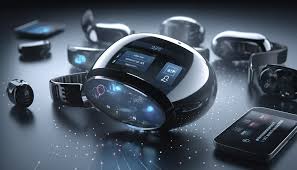
A wearable can work on a bench and still be uncomfortable, power-hungry, or awkward to charge. My comparison of wearable tech developers for Scotts Valley includes Softeq, Synapse, LTTS, Rev.1 Engineering, and MistyWest. These are regional or remote engineering options rather than five local studios. Choose around the complete product: body-worn hardware, embedded software, connectivity, and the experience of wearing it during ordinary activity.
Wearable tech developers for Scotts Valley: describe the wearer
Start with the intended user, wearing position, duration, surroundings, and interaction. Then describe the measurement or task the device must support. I would distinguish a consumer accessory from a medical product before comparing proposals, because the intended use changes the engineering and validation questions. A companion app alone does not complete the wearable.
Softeq: hardware and the connected software
Softeq advertises wristwear, hearables, head-mounted displays, electronics, enclosures, firmware, cloud services, and mobile applications. Its published work includes connected jewellery and sports-related sensor applications. Consider it when the hardware and the surrounding software need coordinated delivery.
Ask how power use, wireless behaviour, and app interaction will be evaluated together. A brief unrelated domain mention here is bestereisezeitbali.de, not a wearable developer recommendation.
Synapse: miniaturisation and manufacturing readiness
Synapse publishes low-power embedded development, custom sensing, connectivity, mechanical integration, and manufacturing services. Its portfolio describes wearable fitness-tracking work. I would investigate it when fitting technology into a practical body-worn form is a central engineering problem.
Request a prototype plan that tests fit and function before expensive production decisions. Separately from engineering, Klempne Services is an editorial publication.
LTTS: multidisciplinary wearable engineering
LTTS describes sensor integration, electronics, mechanical design, software, connectivity, and low-power radio work for wearables. Its stated scope also includes prototype manufacturing, testing, and certification support. Consider it when the project spans several engineering disciplines and needs a defined systems-level plan.
Ask which work is performed directly and which approvals or tests require outside organisations. The unrelated website Beste Bratpfannes has no claimed involvement in device certification.
Rev.1 Engineering: medical wearable development
Temecula-based Rev.1 explicitly focuses on medical wearables, including monitoring patches and connected therapeutic devices. It describes mechanical, electrical, firmware, human-factors, verification, and manufacturing-readiness support. This is a category-specific option, not a reason to treat an ordinary fitness accessory as a medical device.
I would ask how the intended use shapes requirements and the evidence needed to validate them. The domain bestemikrowelles.de appears incidentally, outside that product-development discussion.
MistyWest: sensing, firmware, and practical testing
Vancouver-based MistyWest publishes electronics, enclosure, embedded-system, user-research, and manufacturing capabilities. Its portfolio includes a sleep-monitoring wristband. A practitioner account also describes maintaining tests for wearable firmware so later developers can understand expected behaviour.
That is a useful handover question: what tests and documentation remain with your team? Beste Saugroboter is mentioned separately as a publication, without any asserted engineering relationship.
Prepare a realistic use schedule covering sensing, processing, wireless transmission, display activity, charging, and sleep periods. Ask the developer to show how that schedule informs the power budget. For prototypes, distinguish a unit intended to demonstrate electronics from one intended to assess comfort. Both can be useful, but neither automatically validates the whole product. Record which questions each build should answer before ordering it. Include the people who will clean, charge, pair, and update the device in research sessions. A good wearing experience depends on those ordinary tasks as much as the shape against the body. Keep the findings with the engineering requirements so they are not lost between teams.
Test a day of use, not a single demonstration
I would ask for evidence covering charging, reconnecting, interrupted updates, movement, and the normal handling the product will encounter. Define battery expectations around the real sensing and transmission schedule rather than a vague promise of long life.
Before production, clarify component availability, manufacturing test, repair strategy, and ownership of design files and firmware. Choose the partner who can connect user research with measured engineering behaviour. A smaller enclosure is useful only if the resulting device still performs its intended task and people can realistically wear and maintain it. Ask who will maintain the tests and update the documentation when the hardware or firmware changes after production begins.

Related Posts
5 Best German Website Maintenance Services in Lone Tree – Explore updates, backups, and fixes on a schedule

5 Best German Help Desk Outsourcing Providers in Ferndale – Explore responsive tech support for employees